Bring complete STEM
projects to your school.
Programming Journeys provides project-based instructors, curriculum, and equipment so students can build real software, robots, AI systems, networks, and connected devices.
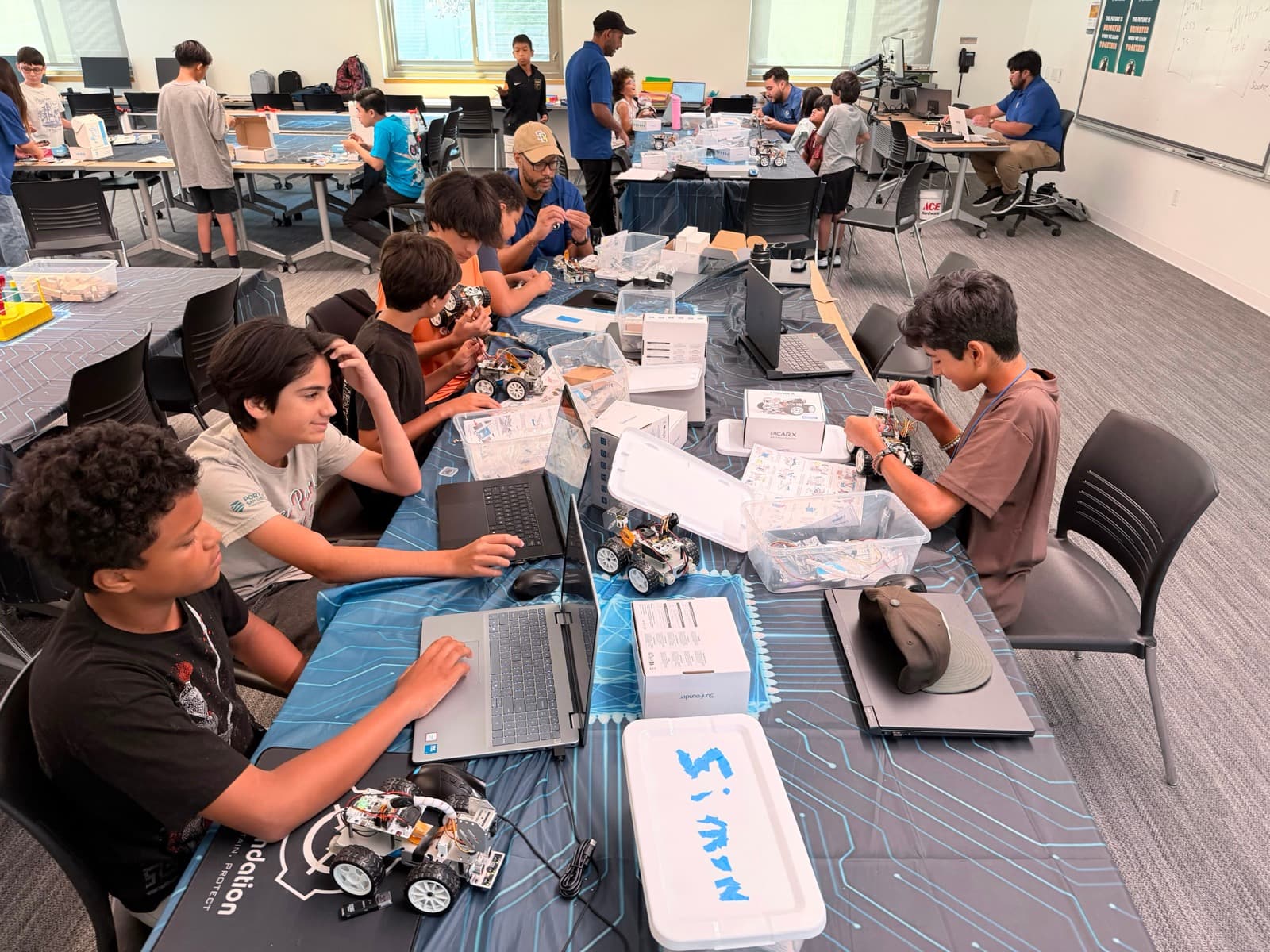
Designed around a finished project
Students finish with something they can demonstrate and explain.
See how the program works.
See what students build, how programs are delivered, and how Programming Journeys works with schools to provide complete project-based STEM experiences.
Specialist STEM delivery without burdening school staff.
Programming Journeys supplies the technical instruction and project framework, with responsibilities defined in each proposal.
Specialist Instruction
Programming, robotics, AI, networking, and hardware taught through connected projects.
Engaging Enrichment
Students move beyond watching and using technology to building it themselves.
Measurable Projects
Each program is organized around a working project, demonstration, or defined learning outcome.
Career Connection
Students practice tools and processes used in software and engineering work.
Age-appropriate pathways with real engineering depth.
Recommended grade bands are matched to the selected project, learner readiness, and school needs.
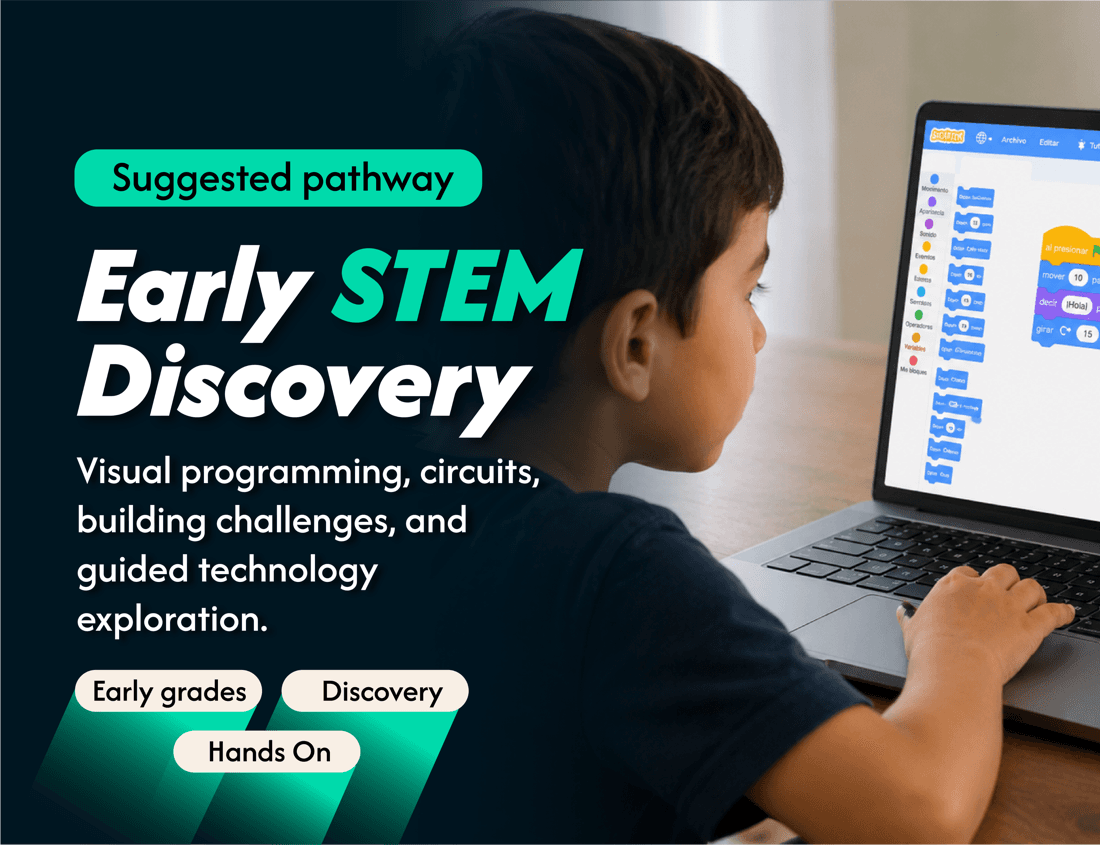
Early STEM Discovery
Visual programming, circuits, building challenges, and guided technology exploration.
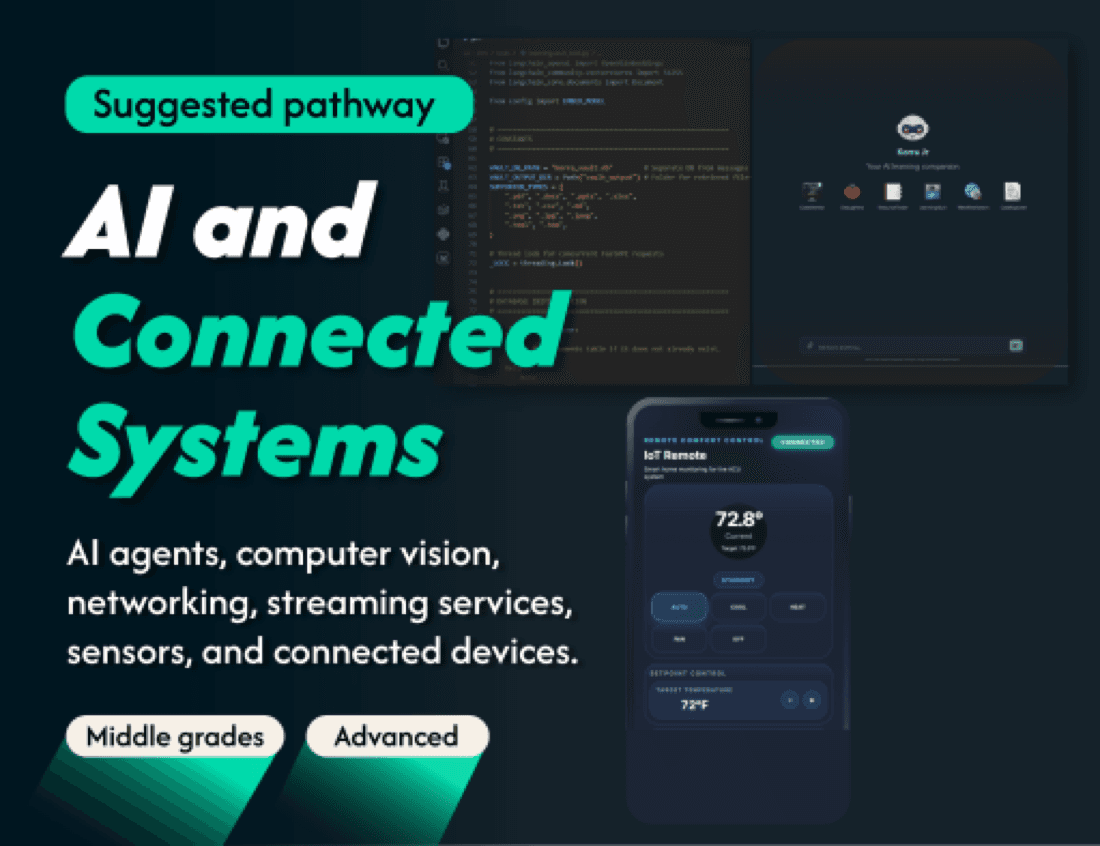
AI and Connected Systems
AI agents, computer vision, networking, streaming services, sensors, and connected devices.
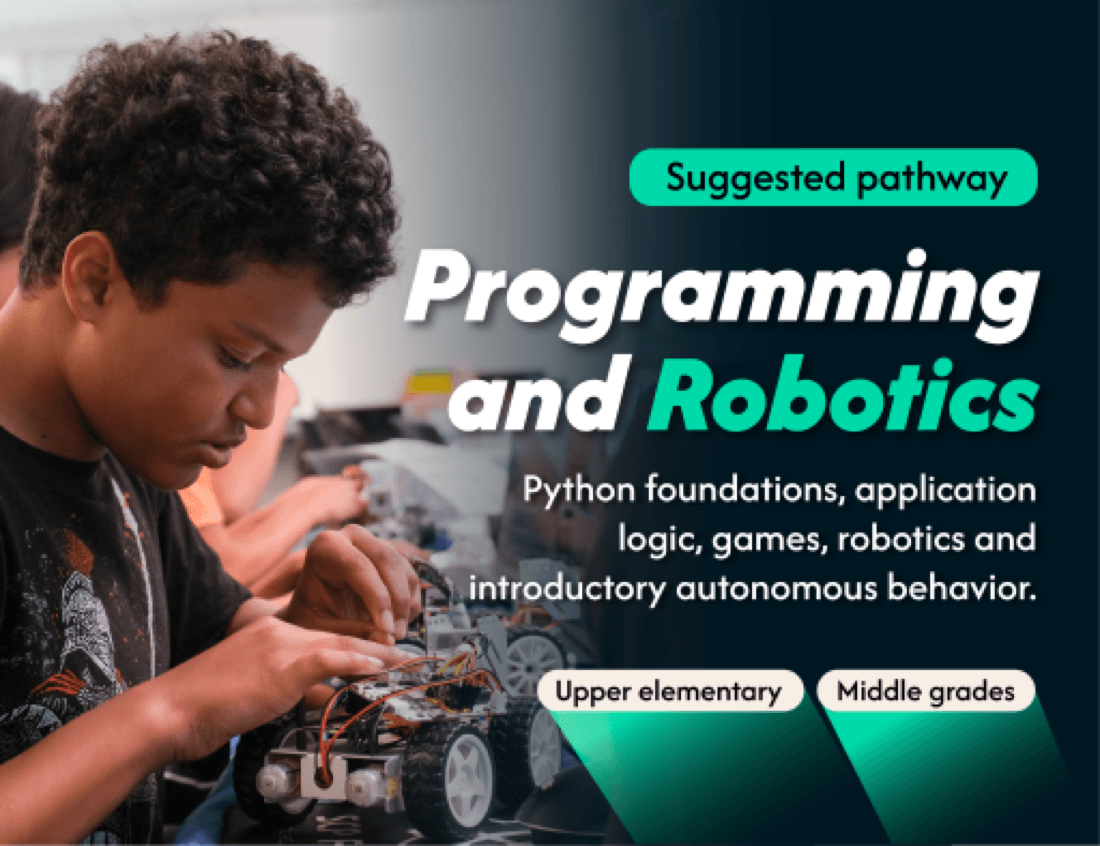
Programming and Robotics
Python foundations, application logic, games, robotics, and introductory autonomous behavior.
Choose the system students will build.
Duration, prerequisites, equipment, and availability are set for each selected program.
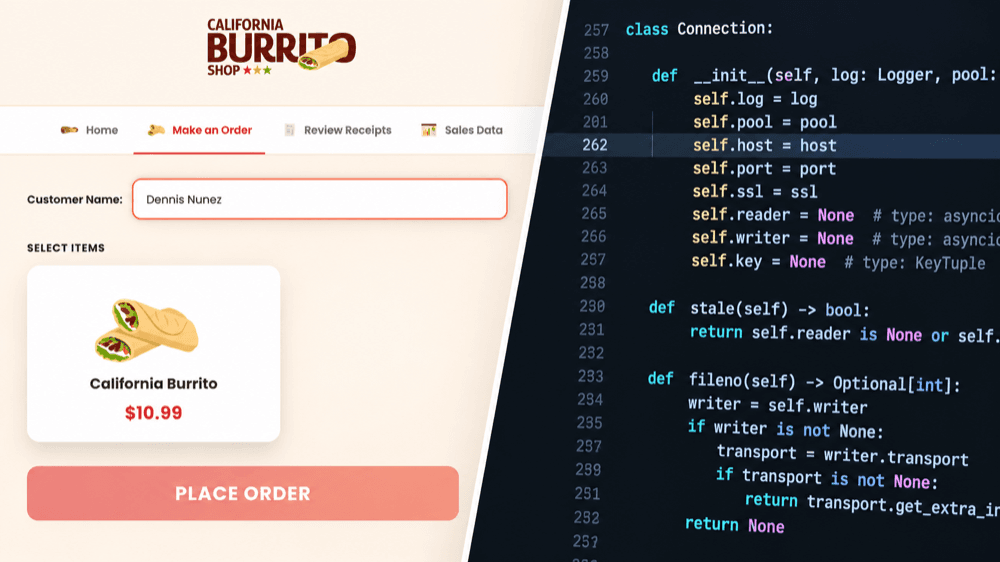
Build a Python Application
Students write real source code and connect variables, decisions, loops, and functions into a complete application.
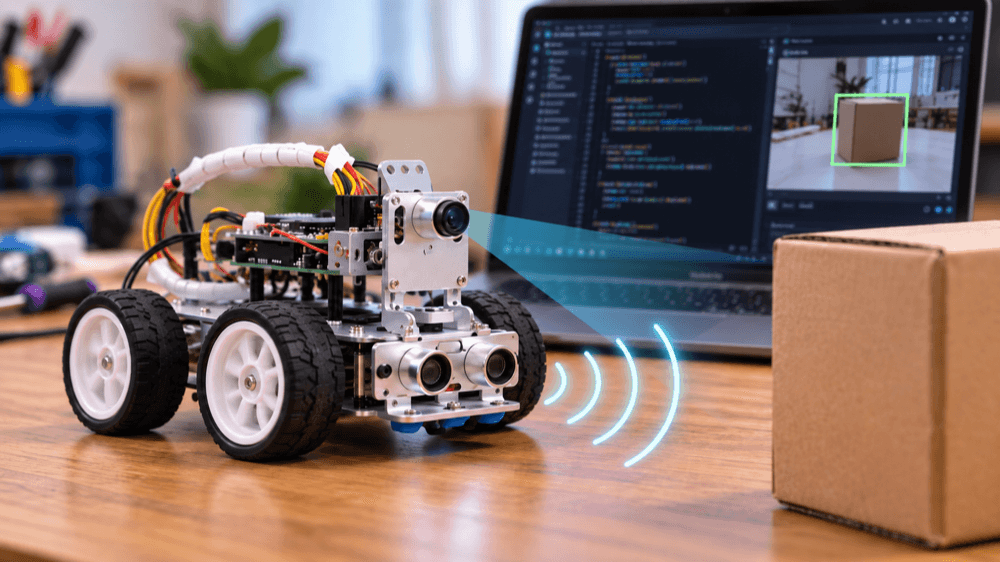
Build an AI Robot Car
Students program movement, sensors, decisions, and computer-vision behavior using Python and a Raspberry Pi robot.
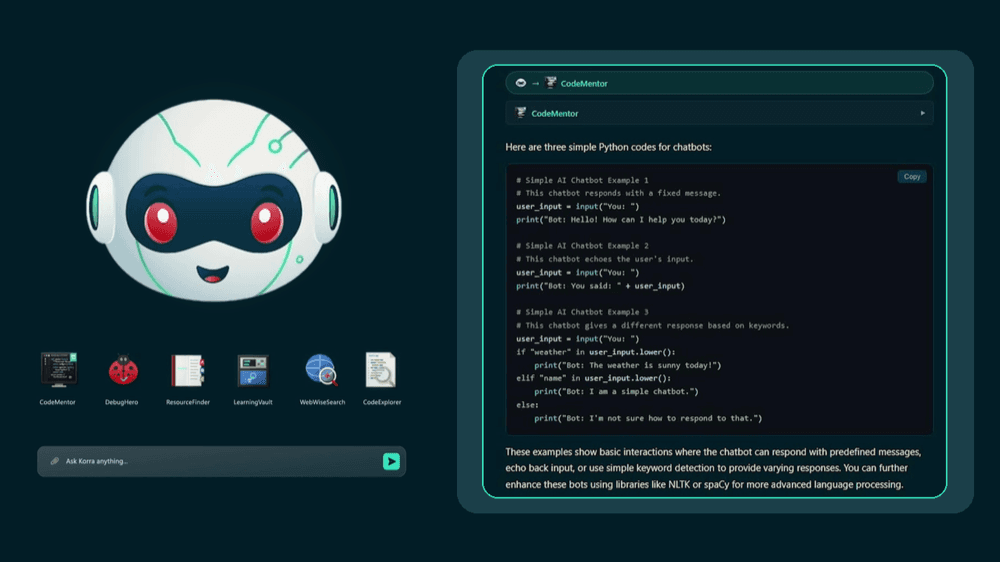
Build an AI Helper
Students create and improve a working AI agent that can answer questions, remember information, and use programmed tools.
Build a Video Streaming Service
Students create and run a video server while learning how servers, clients, addresses, ports, and network requests work together.
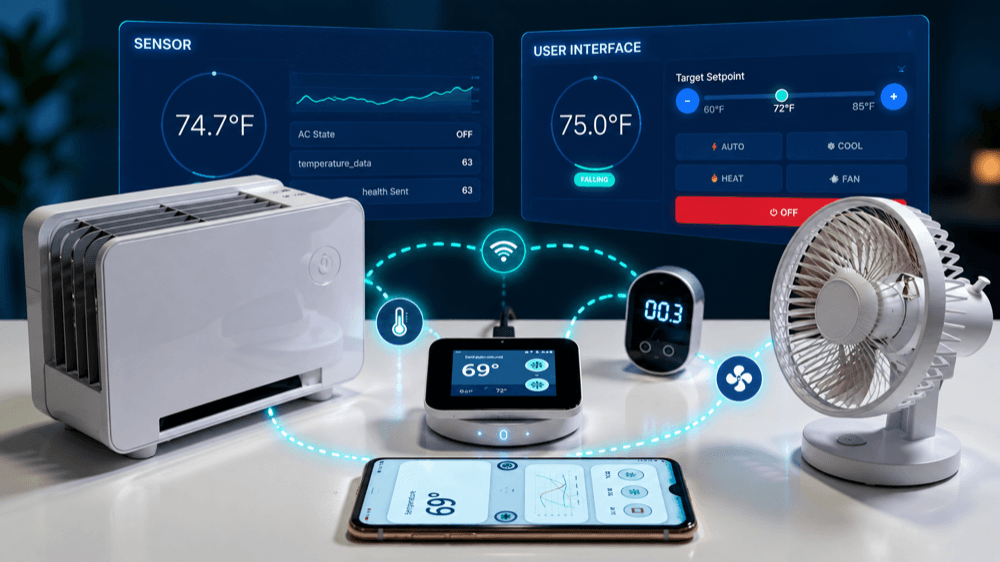
Build an IoT Device and App
Students connect sensors, real-time data, networking, automated responses, and a control interface into a working system.
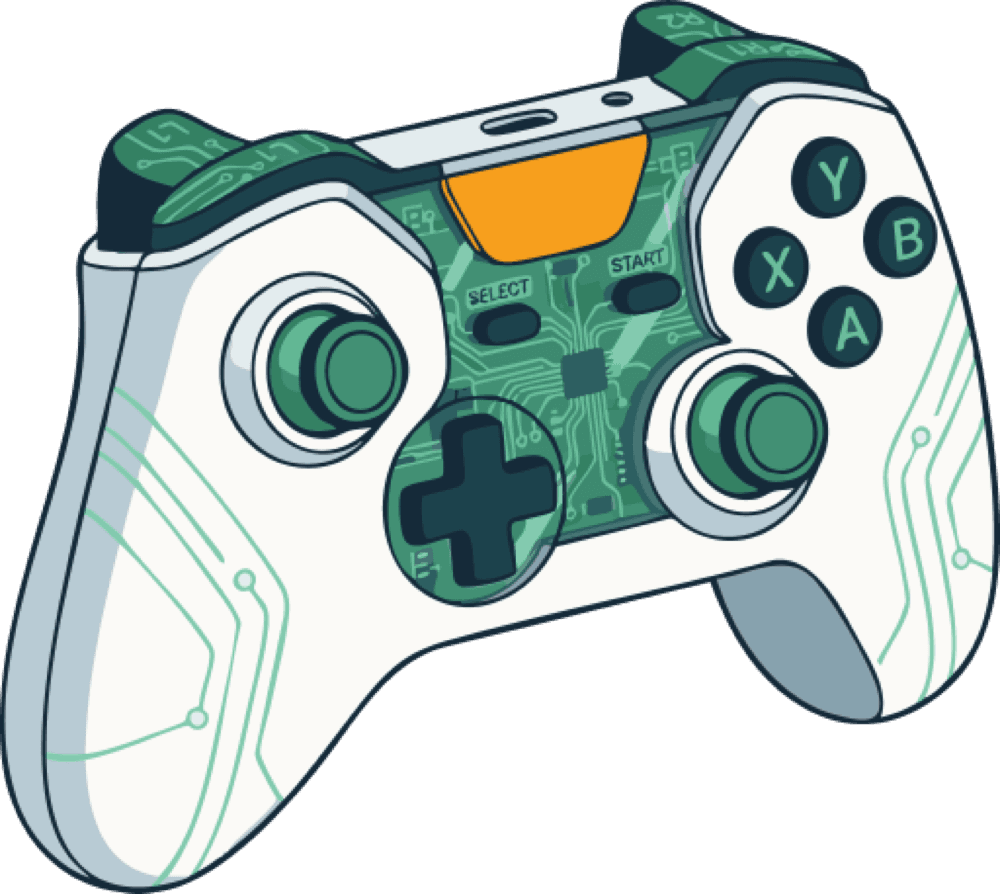
Build a Playable Game
Students use programming logic, characters, rules, scoring, and levels to create a complete interactive game.
A clear path to student outcomes.
Discovery
Define learner needs, school goals, grade bands, and desired outcomes.
Program Selection
Choose a finished project, format, and instructional level.
Schedule and Facility
Confirm dates, space, technology, equipment, and site coordination.
Proposal and Agreement
Document scope, responsibilities, pricing, policies, and success measures.
Enrollment
Coordinate approved registration and family communication.
Delivery and Reporting
Deliver instruction, complete projects, and provide agreed outcome reporting.
Operational responsibilities made clear.
Responsibilities are defined clearly in each school proposal and program agreement.
Clear expectations for every program.
Each program proposal defines instructor requirements, insurance, supervision, cohort size, and site-specific safety responsibilities.
Instructor qualifications
Relevant technical knowledge, preparation, and instructional expectations.
Screening
Instructor screening requirements, including background screening where applicable, are confirmed for each program, role, and host location.
Insurance
Insurance requirements and responsibilities are documented in the program agreement.
Learning environment
Cohort size, supervision, and classroom-management expectations confirmed by program.
See the learning in action.
These projects demonstrate how students apply programming, robotics, and computer vision to working systems.
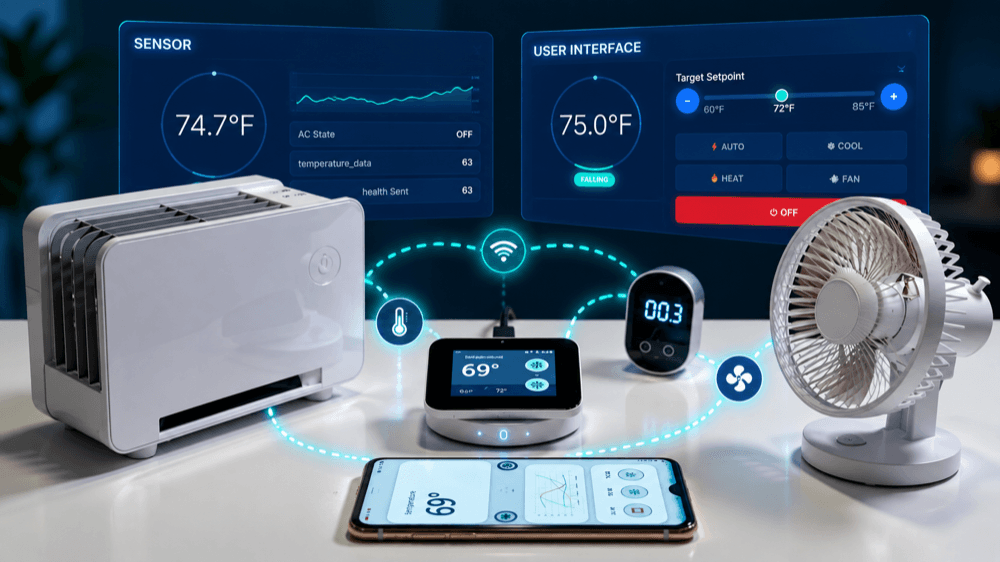 IoT and App Development
Simon Controls an IoT System With His Own Phone App
Simon demonstrates how he controls an IoT system using the phone app he built himself to monitor temperature and operate a fan.
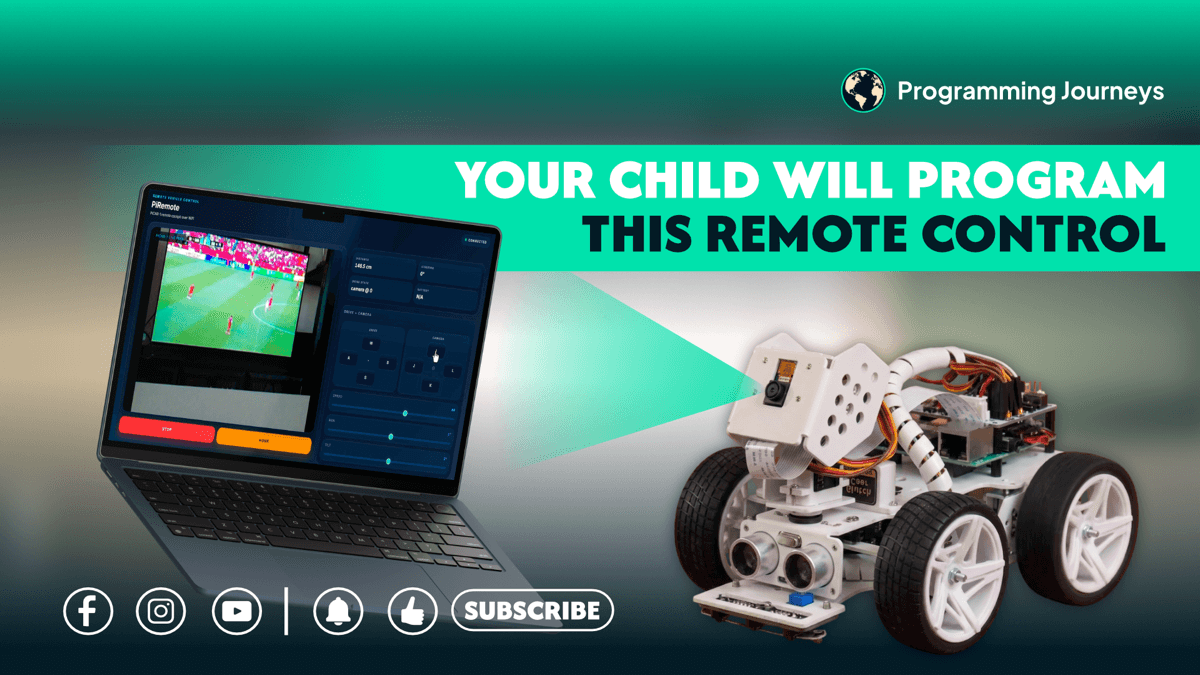 Robotics and Programming
Programming a Remote Control for PiCar
Students learn how to program the remote control interface used to drive the PiCar, connecting coding, camera input, and robot movement.
Questions buyers usually ask.
Pricing is proposal-based until program duration, equipment, cohort size, schedule, facility, and responsibilities are confirmed.
Requirements depend on the selected project. The proposal will identify space, power, internet, devices, storage, and setup needs.
Programming Journeys can define an equipment model for the selected program. Ownership, shared use, storage, and take-home policies must be stated in the proposal.
Program length is configurable. Recommended instructional hours and schedules are defined for each selected program.
Each program is organized around a working project, demonstration, or defined learning outcome, with evidence shared as scoped in the proposal.
Tell us about your learners and setting.
Tell us about your school, students, schedule, and program goals.